
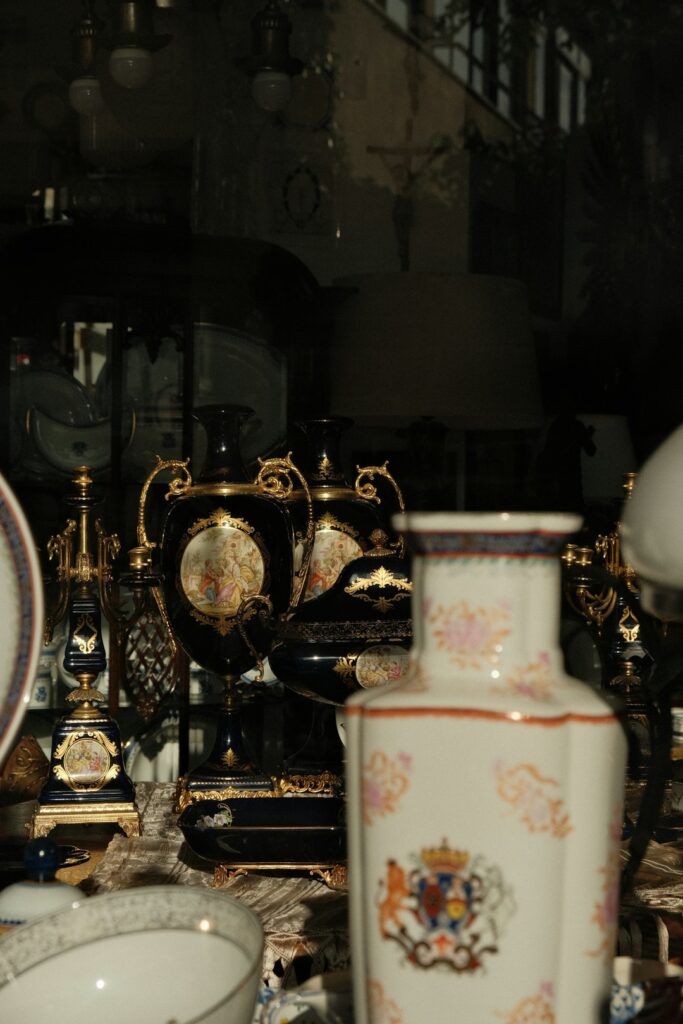
High-value belongings often need more protection than a standard homeowners or renters policy provides. Jewelry, firearms, fine art, antiques, musical instruments, collectibles, specialty tools, and valuable electronics may be covered under personal property insurance, but many policies place separate dollar limits on certain categories.
For households in Greenback, TN, understanding those limits before a loss can help prevent an unpleasant surprise during a claim. The key questions are what is covered, how much is covered, under which circumstances, and what documentation may be required.
What counts as a high-value item?
A high-value item is generally anything whose replacement cost would be difficult to absorb if it were stolen, destroyed, or seriously damaged. The item does not have to be rare or famous.
Examples may include:
- Engagement rings, watches, gemstones, and heirloom jewelry
- Firearms and related accessories
- Fine art, antiques, and signed memorabilia
- Coin, stamp, comic book, or sports-card collections
- Musical instruments
- High-end cameras and specialized electronics
- Vintage furniture
- Handmade rugs
- Professional or hobby equipment
- Collectible vehicles or parts stored on residential property
Value can also be spread across a collection. Ten separate items worth $500 each may represent a significant financial exposure even if no single piece seems exceptionally expensive.
Does a standard homeowners policy fully cover valuables?
Usually, no. A standard policy may cover valuable belongings for certain causes of loss, but special limits can apply. Jewelry stolen from the home, for example, may have a much lower limit than the policy’s overall personal-property coverage.
Similar restrictions may apply to firearms, silverware, furs, money, stamps, coins, documents, and collectible property. The policy may cover damage from a fire but provide limited protection for theft, or it may impose a total limit for an entire category rather than for each item.
The declarations page shows the policy’s general personal-property limit, but the exclusions and special limits section often contains the more important details. A policyholder should look for wording such as “special limits,” “sublimits,” “scheduled property,” or “valuable articles.”
What is scheduled personal property?
Scheduled personal property is coverage added for specifically identified belongings. Instead of relying only on a broad category limit, the policy lists an item, its description, and an insured value.
Scheduling may offer several advantages:
- A higher limit for the individual item
- Broader protection than the basic policy provides
- Coverage for accidental loss in some policies
- Fewer questions about the item’s identity and value after a claim
- A clearer record of ownership
The exact protection varies by policy. Scheduling an item does not automatically mean every type of loss is covered. Exclusions, deductibles, valuation rules, maintenance requirements, and geographic restrictions still apply.
For example, a scheduled ring might be protected against accidental loss, while a collection stored in an outbuilding could have separate security or storage conditions. The policy language controls.
Is an appraisal required?
An appraisal is often requested for jewelry, artwork, antiques, collectibles, and other specialized property. It gives the insurer a documented basis for determining the item’s value and helps distinguish one item from another.
A useful appraisal may include:
- A detailed description
- Materials, dimensions, age, and condition
- Identifying marks, serial numbers, or model information
- Photos
- Replacement value or another clearly defined valuation
- The appraiser’s qualifications and the date of the appraisal
An appraisal is not the same as a sales receipt. A receipt can help prove purchase, while an appraisal may address current replacement value. Both can be useful.
Values can change. Precious metals, gemstones, artwork, collectibles, and vintage items may rise or fall in value over time. Some policies require updated appraisals at stated intervals, while others recommend periodic reviews. Keeping an outdated value on a policy can create either a coverage gap or unnecessary insurance cost.
What documentation should households keep?
A home inventory is one of the most practical steps for protecting valuable property. It should identify what was owned before a loss, where it was kept, and what it was worth.
For each significant item, consider recording:
- A clear description
- Purchase date and price
- Current estimated value
- Receipts, appraisals, or certificates
- Serial numbers or other identifying information
- Photos from multiple angles
- Storage location
- Any repair, restoration, or maintenance records

Photograph the item alongside a ruler, certificate, or other reference when useful. For collections, photograph both the full group and individual pieces.
Keep digital records in a secure location separate from the home. A cloud-based copy, encrypted storage, or another off-site option can help if the home is damaged or inaccessible. A home inventory is useful for insurance, estate planning, police reports, warranties, and tax records.
Are valuables covered outside the home?
Many policies provide some off-premises coverage, but the limit may be lower than the amount available inside the residence. Items carried during travel, kept in a vehicle, placed in temporary lodging, or stored elsewhere may also be subject to special conditions.
Jewelry worn outside the home, musical instruments taken to performances, cameras used while traveling, and firearms stored at another property deserve particular attention. Ask whether the coverage applies worldwide, only within the policy territory, or only at the listed residence.
A scheduled item may have broader geographic protection, but that must be confirmed in the policy rather than assumed.
What losses are commonly misunderstood?
High-value property coverage is not the same as protection against every possible cause of damage. Standard homeowners insurance commonly excludes or limits certain risks, including flood, earth movement, gradual deterioration, insects, rodents, and losses related to poor maintenance.
In Greenback, seasonal storms, heavy rainfall, power interruptions, falling trees, and changing humidity can create different risks for homes and belongings. Water entering from rising or surface flooding is generally treated differently from a sudden plumbing leak or rain entering through storm damage. Separate flood coverage may be needed for flood-related losses.
A policy may also exclude business property or limit coverage for items used in a home-based business. Specialized equipment, inventory, or professional tools should not be assumed to have the same protection as ordinary household belongings.
What should be reviewed after a major purchase?
Review coverage after receiving an inheritance, buying jewelry, expanding a collection, purchasing a firearm, acquiring artwork, or renovating a room used to store valuable property.
Also review the policy after:
- A move or major change in storage
- An appraisal that shows a different value
- A theft, loss, or newly discovered item
- The addition of security equipment or a safe
- A change in how often an item is used or transported
- A change from personal use to business use
The most useful review compares the itemized inventory with the policy’s special limits and scheduled-property list. That comparison can reveal items that are insured only partially, items that were never added, and items whose values are no longer accurate.
What questions should be asked about a policy?
Before relying on coverage for a valuable belonging, confirm:
- Is the item covered for theft, accidental loss, breakage, fire, water damage, or all of these?
- Is there a category limit or an individual-item limit?
- Does a deductible apply?
- Is the payment based on replacement cost, actual cash value, agreed value, or another method?
- Is an appraisal required?
- How often must values be updated?
- Are items covered while traveling or away from the residence?
- Are there security, storage, alarm, or maintenance requirements?
- Are collections valued item by item or as a group?
- Are newly acquired items covered temporarily, and for how long?
Reading the policy before a loss is far easier than trying to interpret it after an item disappears. For residents protecting belongings with financial, family, or sentimental significance, accurate records and clearly defined coverage are usually just as important as the policy limit itself.
